Emergency mitigation
$1.5k–$6k
- Same-day water extraction
- Moisture mapping with meters
- Dehumidifiers and air movers
- Wet carpet pad and baseboards out
- Antimicrobial treatment
- Photo and moisture log
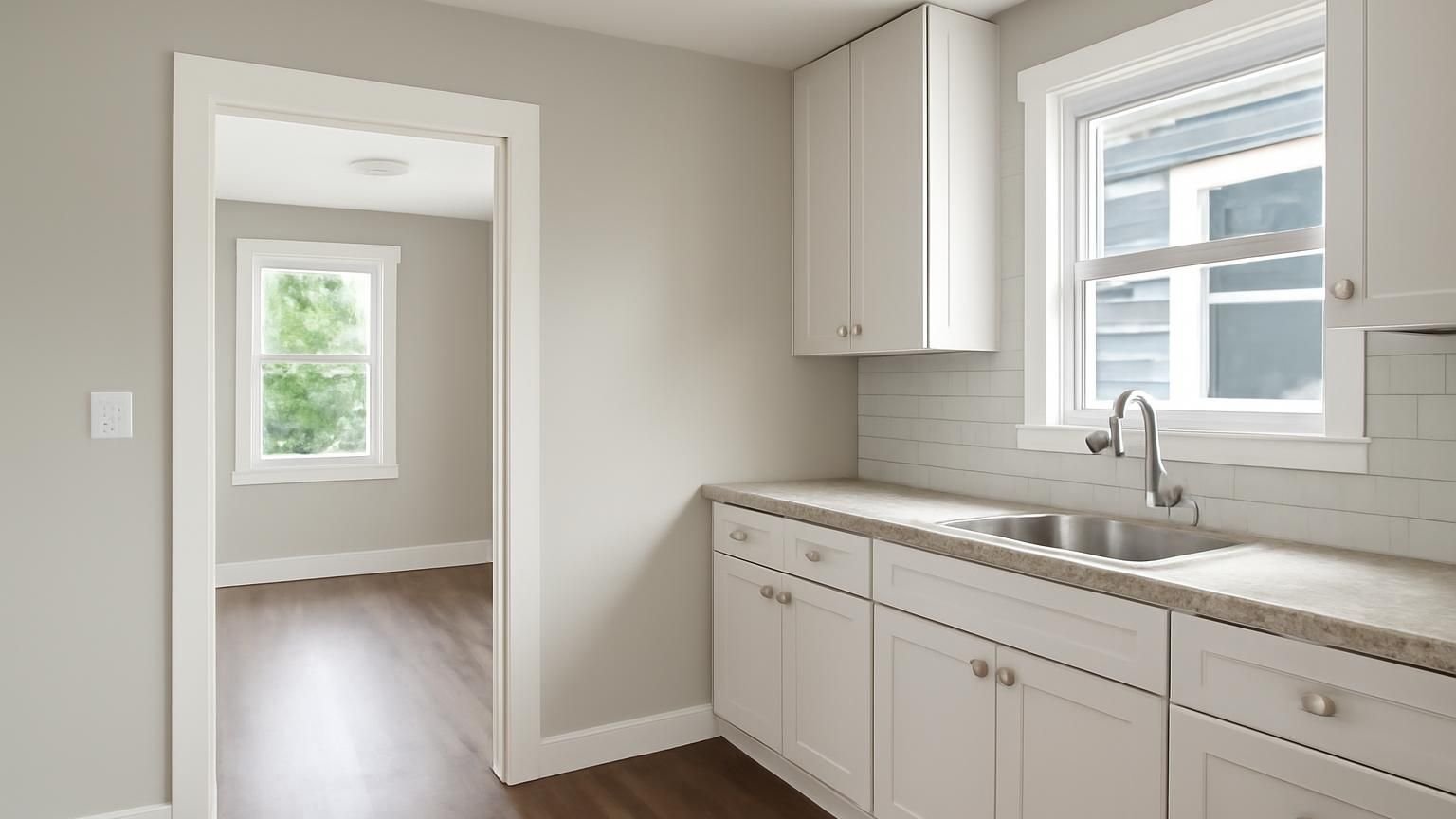
Water damage restoration · 24/7 line · Licensed & insured
Wet drywall and flooring start growing mold in 24 to 48 hours. Our crew extracts the water the same day, sets drying equipment, maps the moisture with meters and photographs everything for your insurance adjuster. You choose who rebuilds once the written estimate is in your hands.
If water is still running, shut the main valve and call. A crew lead answers day or night and tells you what to do next.
What happens after you text us
Water calls cannot wait for office hours. You tell us where the water is coming from, we tell you how to stop it, ask for photos and send a crew with pumps and dryers the same day.
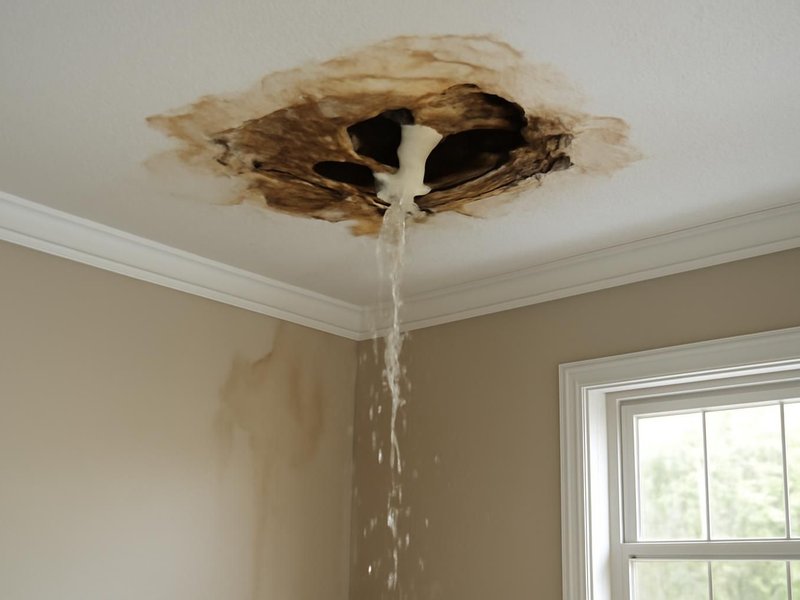
A pipe burst in the upstairs bathroom and water is coming through the kitchen ceiling. I shut the main valve but everything is soaked.
Hi Mark, this is Chris, crew lead on the water line tonight. Shutting the main was the right move. Turn off power to the kitchen at the breaker and keep out from under that ceiling. Can you send a few photos?
Breaker is off. Sending photos of the ceiling, the floor and the bathroom.
Got them. The ceiling is holding water, so we will drain it safely first. We can be there by 1:00 with extractors and dryers. Photograph everything you can before we move it; your adjuster will want it.
Okay. Do I call my insurance now or in the morning?
Report it now if they have a night line, otherwise first thing. We will document the damage and moisture readings for them either way. See you at 1.
What water damage restoration costs
Most clean-water leaks caught within a day land in the Mitigation and repair tier. Sewage, long-hidden leaks and whole floors cost more. Your written estimate is itemized in the line format adjusters use, so the claim review goes faster.
Emergency mitigation
$1.5k–$6k
Mitigation and repair
$6k–$25k
Full rebuild
$25k–$80k+
Choose the tier, how much of the house got wet and what the house is like. The range changes with each pick, from the same line items our crew leads write.
A range, not a quote. Your written estimate comes after the visit and does not change once you approve it.
Typical range for your answers
Turn this range into a written water damage estimateWhere the money goes
Averages from our recent clean-water losses repaired in full. The quicker drying starts, the more drywall and flooring can be saved, which is why the first day matters more than any later choice.
Get my itemized water damage estimate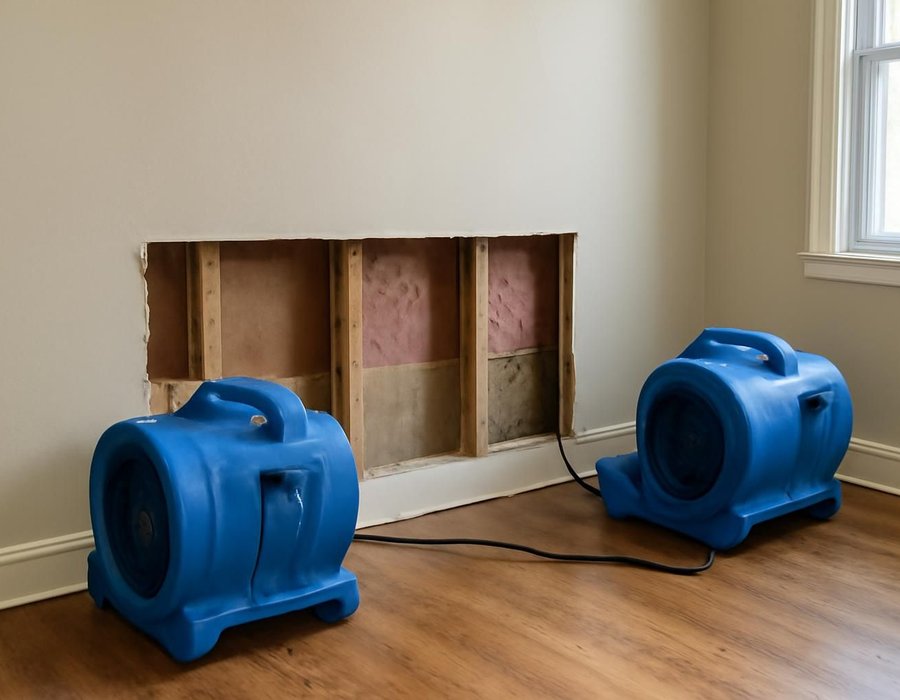
Dry it in place or tear it out
The category of water and how long it sat decide whether drywall, carpet and floors can be saved. Our moisture readings and the IICRC S500 drying standard guide the call, and we write the reason for each room in the estimate.
| If this is true | We recommend |
|---|---|
| Clean supply-line water, found within 24 hours | Dry in place |
| Toilet overflow with waste or a sewer backup | Remove and replace |
| Drywall reads dry again within three days | Dry in place |
| Water sat unnoticed for more than 48 hours | Remove and replace |
| Insulation inside the wall is soaked | Remove and replace |
| Solid hardwood is only slightly cupped | Dry in place |
How long it takes
Most clean-water losses are dry in three to five days. Repairs then take two to four weeks depending on how much was removed and how fast the adjuster approves. You get a written update at every stage.
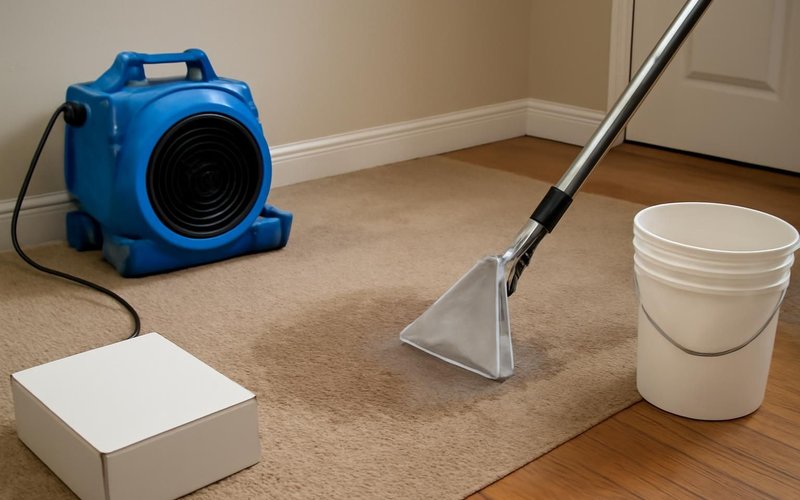
Hour one
Source stopped, power made safe, standing water pumped out, first photos and moisture readings taken.
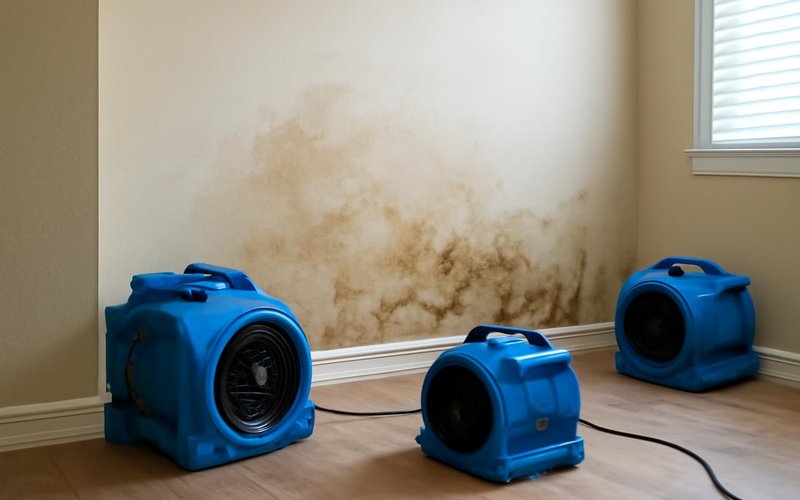
Days one to five
Dehumidifiers and air movers set, readings taken daily, wet pad, baseboards and flood cuts removed.
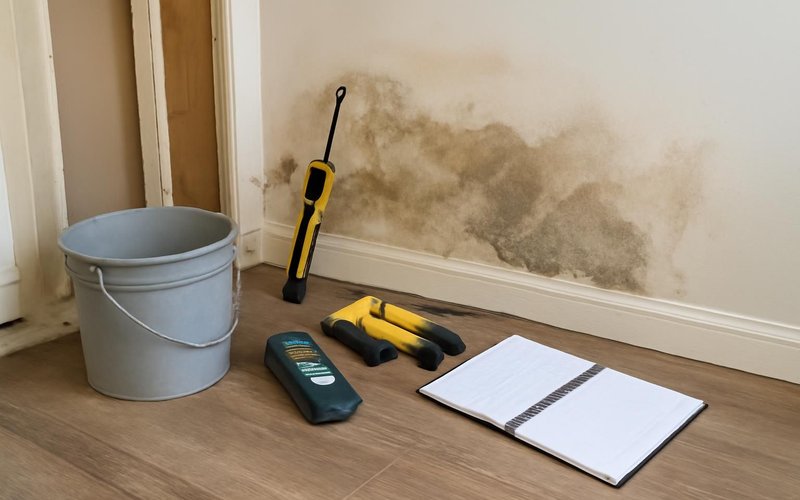
Week two
Written rebuild estimate sent to you and the adjuster, with photos and a dry log for every room.
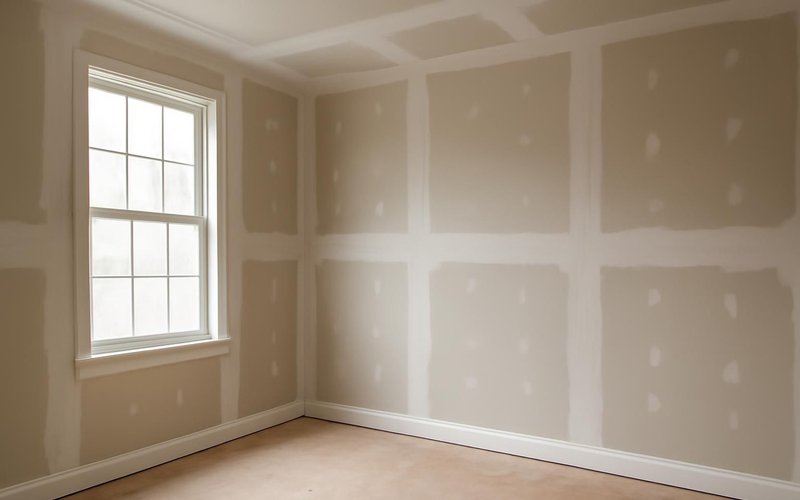
Weeks two to five
Drywall, paint, trim and flooring put back to match, then a final walkthrough with you.
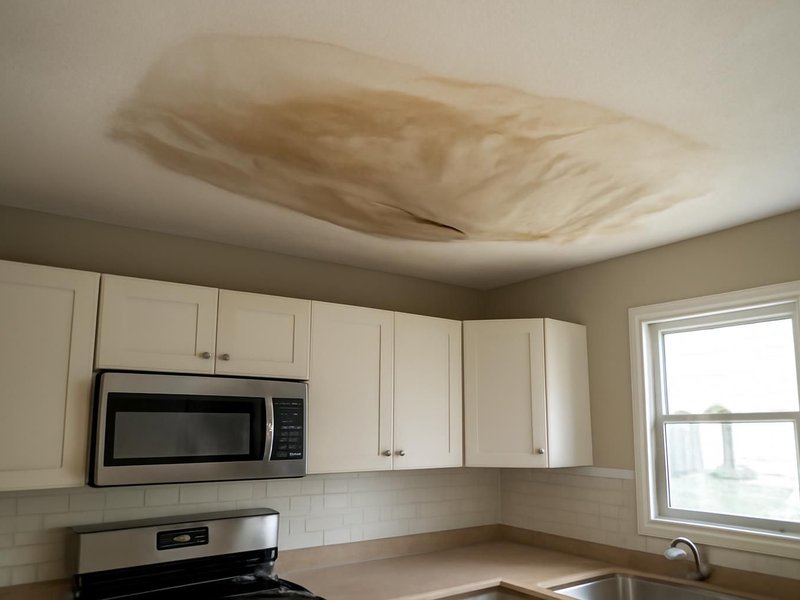
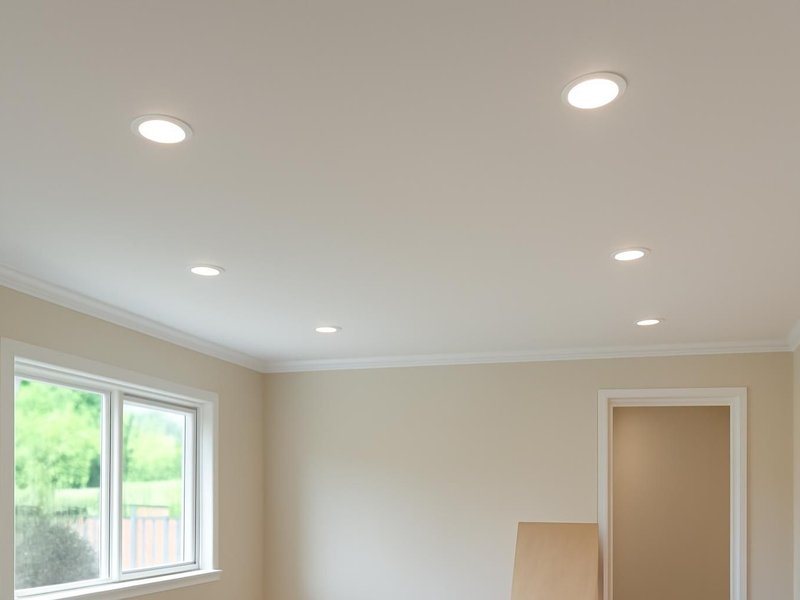
Remodeling concepts
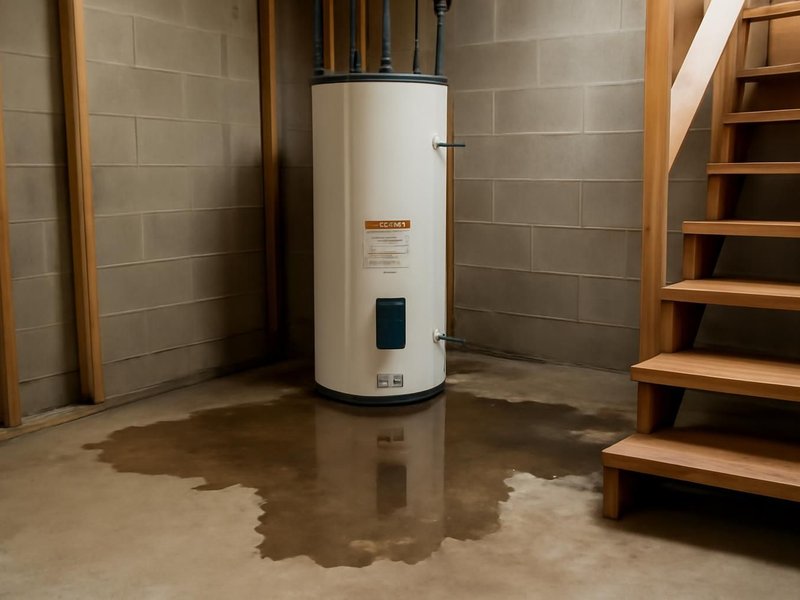
AI-generated examples of existing conditions and remodeling possibilities. Each image is a separate concept, not a documented transformation of the same home.
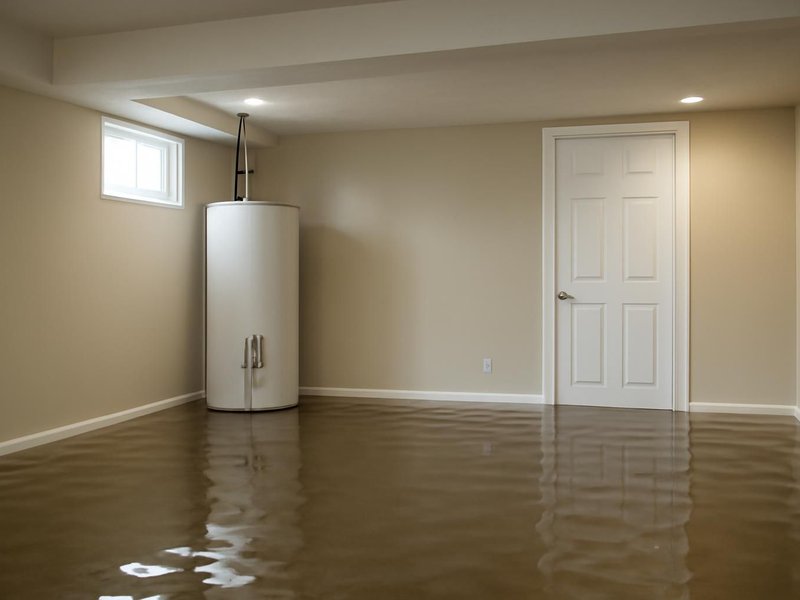
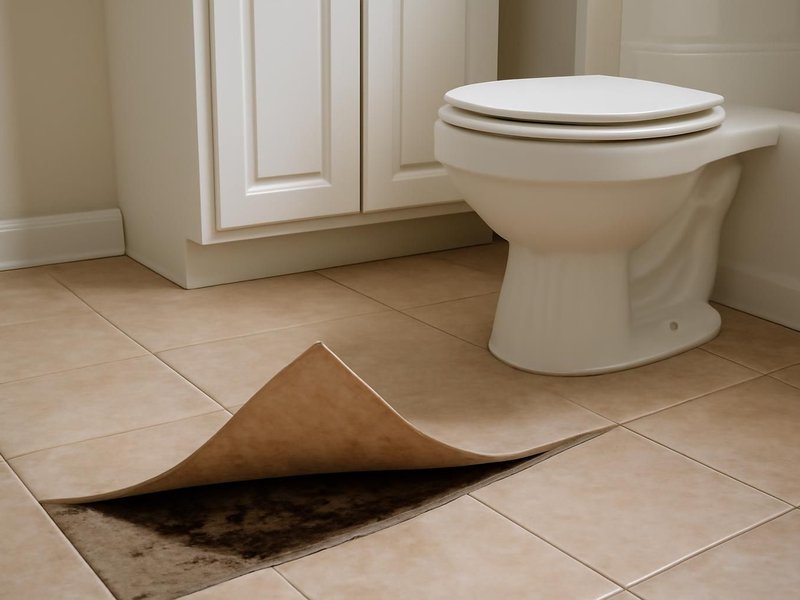
The equipment and standards we use
Insurers pay for drying that follows a recognized standard and is documented. Our reports name the equipment, the readings and the standard used, so nothing in your claim rests on our word alone.
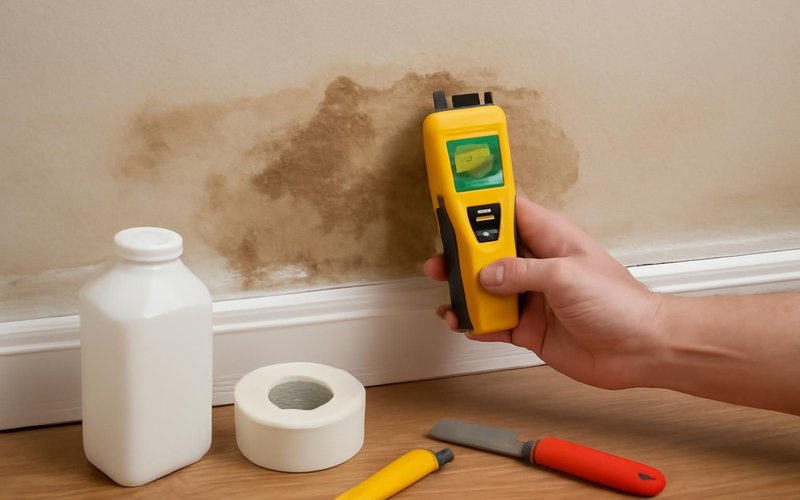
The industry standard for water damage restoration. It sets how to classify the water and when a material is dry enough to keep.

Pin and pinless meters from Delmhorst and Protimeter plus thermal imaging find wet areas behind walls and under floors without tearing them open.
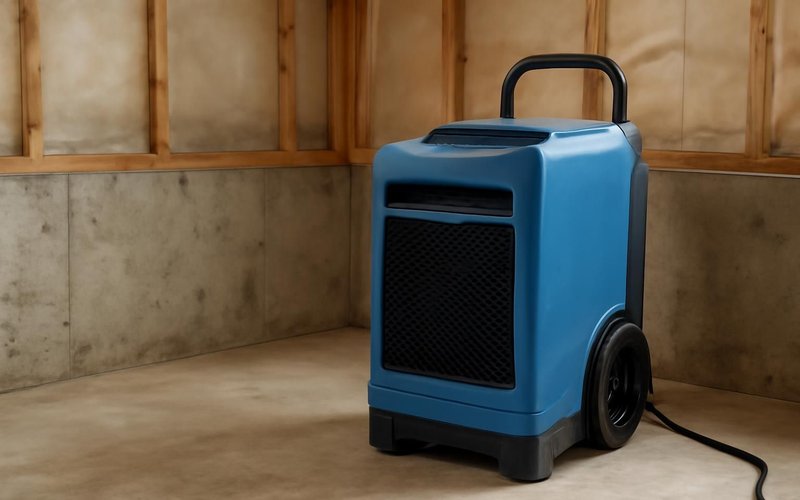
Low-grain refrigerant dehumidifiers from Dri-Eaz and Phoenix pull gallons of water from the air each day and keep drying on schedule.
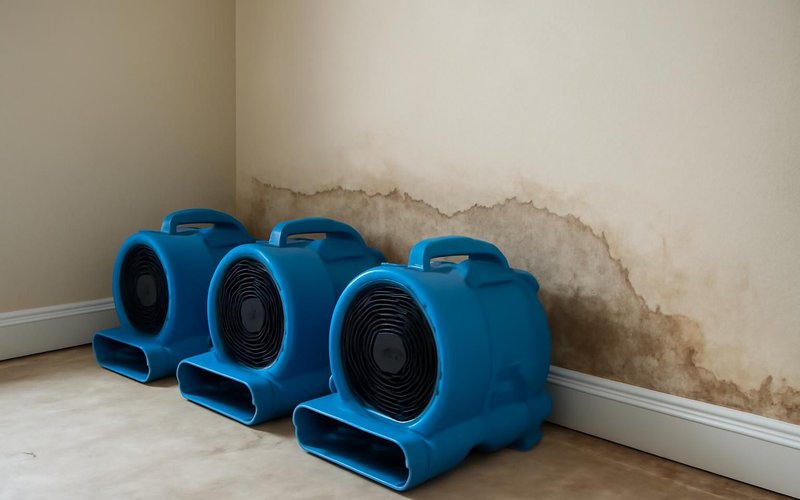
Fans aimed across wet walls and floors speed evaporation. Their placement is logged each day so the drying record is complete.

Our estimates use the same line-item format most insurance adjusters use, so the scope can be compared line by line without rework.
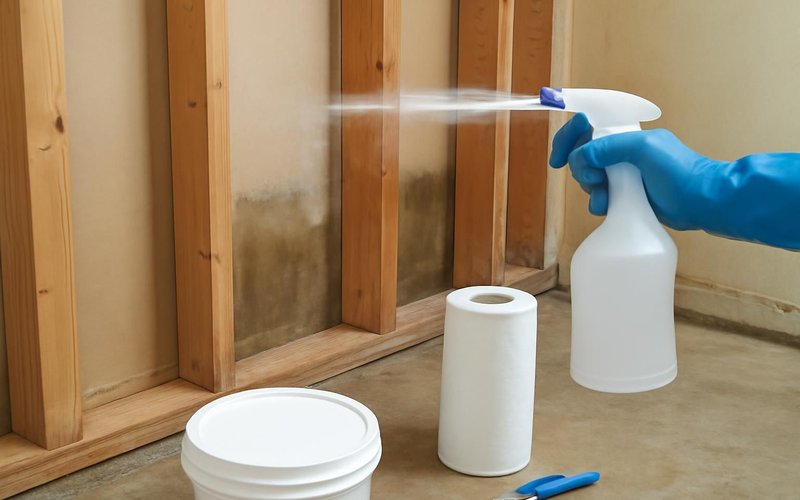
EPA-registered antimicrobials applied to wet framing and subfloors after extraction to slow mold and odor while the structure dries.
Written into every contract
The approved price is the final price. Change orders only with your written approval.
A credit for every working day of delay we cause. Weather and inspections excepted, in writing.
Dust barriers, floor protection and a clean-up before we leave. Your home stays livable.
A text or email every working day with photos and tomorrow's plan, or the day is free.
Workmanship warranty in writing, transferable to the next owner, backed by a fixed address.
A small deposit, then you pay only for work that is already completed, inspected and photographed.
Who comes to the house
Water losses are stressful enough without new faces each day. Every crew member is background-checked and introduced by name, and the crew lead stays your contact from the first call to the final walkthrough.
Runs the extraction, reads moisture daily and talks to your adjuster.

Sets dryers, removes wet materials and treats framing.

Replaces drywall, trim and floors once every reading is dry.
Illustrative project scopes
Planning examples with illustrative budgets and durations. These are not completed customer jobs, invoices or promises about your project.

Your water loss is not average
Every job starts from the same three tiers, then changes for the kind of water, how long it sat and the house around it. Pick the case that sounds like yours.
We photograph every room, log moisture readings daily and write the estimate in the format adjusters use. You still decide who rebuilds after the estimate is approved, and we never ask you to sign over your claim.
Book extraction and claim photosWater with waste is Category 3 under the IICRC standard. Porous materials it touched are removed, not dried, the area is contained and disinfected, and crews wear protective gear so it does not spread to clean rooms.
Book my sewage cleanup todayPlaster and lath dry more slowly than drywall but can often be saved. We dry it with care, test for lead and asbestos before cutting, and match the original smooth or textured finish when a section does need patching.
Get my plaster water damage planFrozen pipes often burst in more than one place. We find every split, get heat back into the wall safely, and check nearby pipes in outside walls that could freeze and split again before the cold weather is over.
Book my frozen pipe responseWater in a condo is rarely one unit's problem. We document where it came from and where it went, coordinate with the association and the neighbor's insurer, and dry both units on one shared schedule with one set of readings.
Book my condo water responseTenants need a safe, working unit fast. We extract and dry around them where possible, keep the landlord and tenant informed in writing, and schedule repairs so the unit is back in use and earning rent as quickly as possible.
Book water response for my rentalSmall clean-water leaks are often cheaper to pay directly than to claim against a deductible. We tell you the likely total early so you can decide with your agent whether a claim makes sense for a loss this size.
Get my water damage price directlyShut the main valve, turn off power to wet rooms at the breaker and call the 24/7 line. A crew lead talks you through it until the truck arrives, usually within a few hours, day or night, weekends and holidays included.
Call now for water coming inWhat this service is
Water damage restoration is the process of stopping a water intrusion, removing standing water, drying the structure to a measured dry standard, removing materials that cannot be saved and rebuilding what was lost. ProBuild Remodeling performs it as a licensed contractor following the IICRC S500 standard, from same-day extraction to the final coat of paint, with every step documented for insurance.
The service covers leaks from supply pipes, appliances, water heaters, toilets and sewer backups, and rain entering through walls or windows. It includes extraction, moisture mapping, drying, antimicrobial treatment, demolition of wet materials and the full rebuild. It does not include roof repairs, which have their own page, plumbing fixes beyond making the source safe, or contents cleaning of documents and electronics.
It is for homeowners dealing with a leak right now, owners of rentals and condos with water moving between units, and anyone who found a hidden leak after the fact. It is not for slow damp problems with no water event, such as a musty basement, which is a mold or waterproofing question.
Questions about water damage
Extraction and drying for one room usually runs $1,500 to $6,000. Drying plus rebuilding drywall, trim and floors runs $6,000 to $25,000. Sewage losses and whole floors or basements run $25,000 to $80,000 or more.
Most clean-water losses dry in three to five days with dehumidifiers and air movers running around the clock. Dense materials such as hardwood, plaster and concrete can take a week or more. We take readings daily and stop only when they reach the dry standard.
Mold can start growing on wet drywall, carpet pad and wood in 24 to 48 hours. That is why extraction and drying start the same day, and why materials that stayed wet longer are removed rather than dried.
Most policies cover sudden and accidental water, like a burst pipe or appliance failure, and exclude slow leaks and outside flooding, which need flood insurance. We document the cause, but the coverage decision belongs to your insurer and your policy.
Yes. You are not required to use the company your insurer suggests. We handle mitigation, document everything for the adjuster, and you decide who rebuilds once the estimate is approved.
Drywall wet with clean water can usually be dried in place if drying starts within a day and it has not swelled or crumbled. Drywall touched by sewage, soaked for days, or with wet insulation behind it is cut out and replaced.
For a small puddle, yes. For more than one room, water under floors or water through a ceiling, household fans do not remove enough moisture and can spread it. Professional dehumidifiers and moisture meters prevent hidden mold.
Usually yes for clean-water losses, as long as the wet rooms are closed off and power to them is off. The drying equipment is noisy and warm. For sewage backups or a ceiling at risk, we will tell you to stay elsewhere until it is safe.
Water damage restoration near you
Water response crews work from local bases in each state we serve, licensed there, so a truck with pumps and dryers can reach you within hours.
Water damage help now
A crew lead reads your answers within minutes, day or night, sets an arrival time and tells you how to protect the house until the truck is in the driveway.