Single-room project
$10k–$35k
- Itemized estimate for lenders
- Milestone payment schedule
- Options sheet in plain words
- Phase split if it helps
- Questions to ask any lender
- Free, no obligation

Financing assistance · Free · No obligation
We are a contractor, not a lender. We give you a lender-ready itemized estimate, explain how home equity lines, renovation loans, contractor financing partners and phased plans usually work, and match our payment schedule to the loan you choose. The help is free, and the choice of lender is always yours.
Text what you want to build and how you hope to pay. A financing coordinator replies within 5 minutes during business hours. No credit check from us.
What happens after you text us
You tell us what you want to build and how you are thinking of paying. The coordinator explains what a lender will ask a contractor for, what the estimate must show and how payments would line up, then books the estimating visit.
Hi, we want to redo the kitchen but do not have $50k sitting around. Our bank mentioned a home equity line. Can you work with that?
Hi Dana, this is Mark, I help homeowners plan how to pay for projects at ProBuild Remodeling. Yes, many of our kitchens are paid that way. The bank will want an itemized estimate from us, so the first step is a visit.
Do we need the loan approved before you come out?
No, the other way around. Our estimate tells the bank how much to plan for. We can also split the kitchen into two phases if the line is smaller than the full scope. I can come Tuesday at 6.
Tuesday is good. Will you tell us which option is best?
That choice is yours and your lender's. I will explain how each option usually works and give you a list of questions to ask the bank.
How we help at each project size
The prices below are typical project costs, not fees. Most of the homeowners we help are planning a $35,000 to $100,000 remodel and comparing savings, a home equity line and contractor financing.
Single-room project
$10k–$35k
Major remodel
$35k–$100k
Whole house or addition
$100k–$250k+
Pick the project size, how much of the house it covers and the age of the house. The range shows a typical project cost to plan financing around; it is not a loan amount or an offer.
A range, not a quote. Your written estimate comes after the visit and does not change once you approve it.
Typical range for your answers
Get a lender-ready estimate for this rangeHow our clients pay
How homeowners paid for our recent projects over $25,000. Many combine two sources, such as savings for the first phase and a home equity line for the second. This is a picture of what people chose, not a recommendation.
Get my lender-ready estimate
One project or a phased plan
Phasing lowers what you pay at one time, but some work only makes sense done together. These six signs tell you which way your project leans, so the money plan fits the building plan.
| If this is true | Plan it as |
|---|---|
| Your savings or loan cover the whole scope | One project |
| Part of the work can wait without redoing anything | Phased plan |
| Splitting would mean tearing out work twice | One project |
| A lower payment matters more than finishing fast | Phased plan |
| Plumbing for both rooms runs through one wall | One project |
| A second bathroom can be added a year later | Phased plan |
How long it takes
Savings and contractor financing move in days. Home equity lines take two to six weeks. Renovation loans take longer because the appraisal and lender review happen before building starts.

Week one
The visit and a lender-ready itemized estimate, so every option is compared against the same number.

Weeks one to three
You talk to your bank or credit union; we answer any question they ask about the scope or schedule.
Weeks two to six
Appraisal, contractor documents and a draw schedule are finished, then the start date is set.
During the build
Payments follow milestones or loan draws, each tied to inspected work you can see.
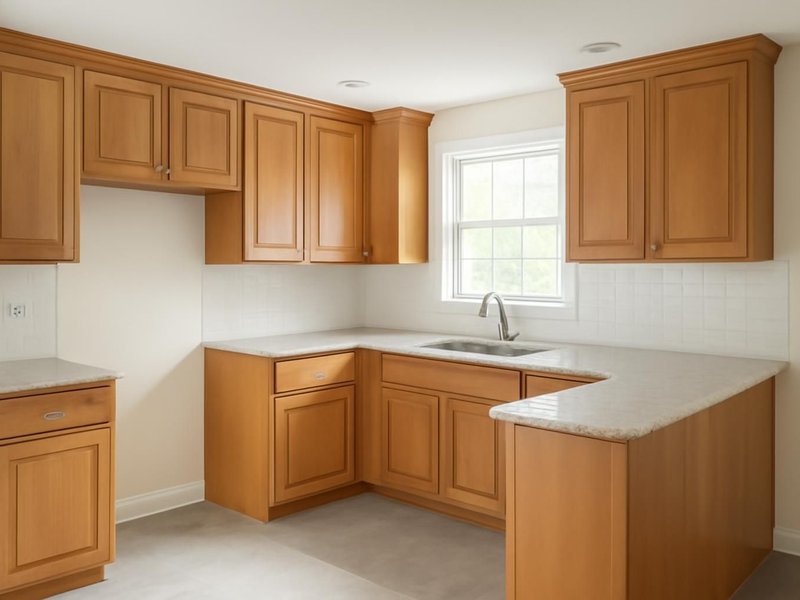
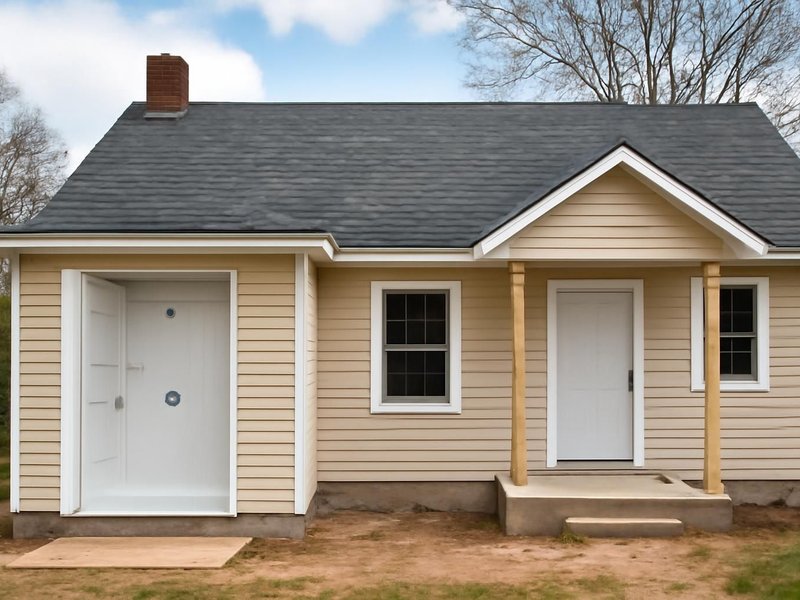
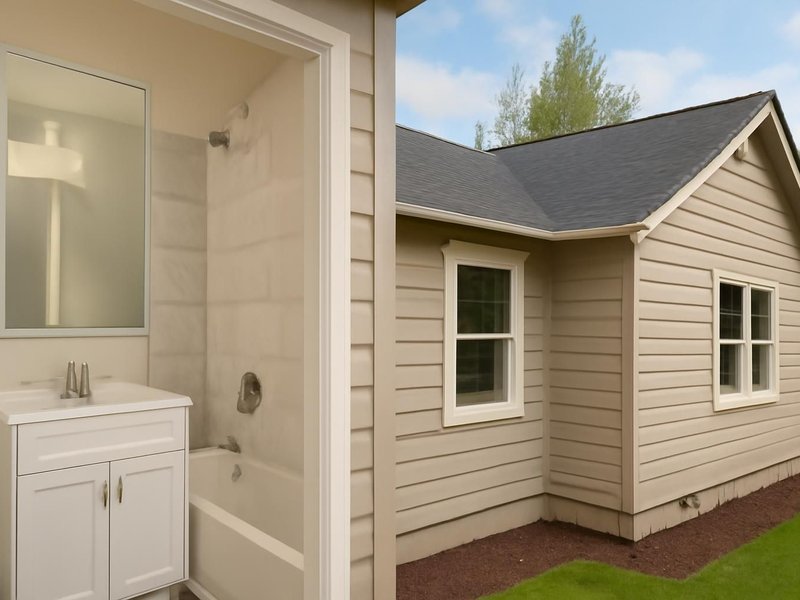
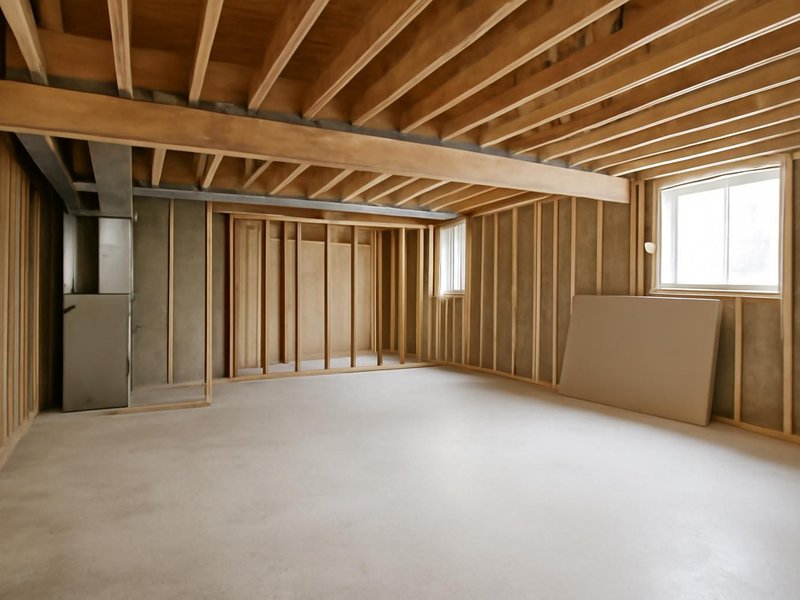
Remodeling concepts
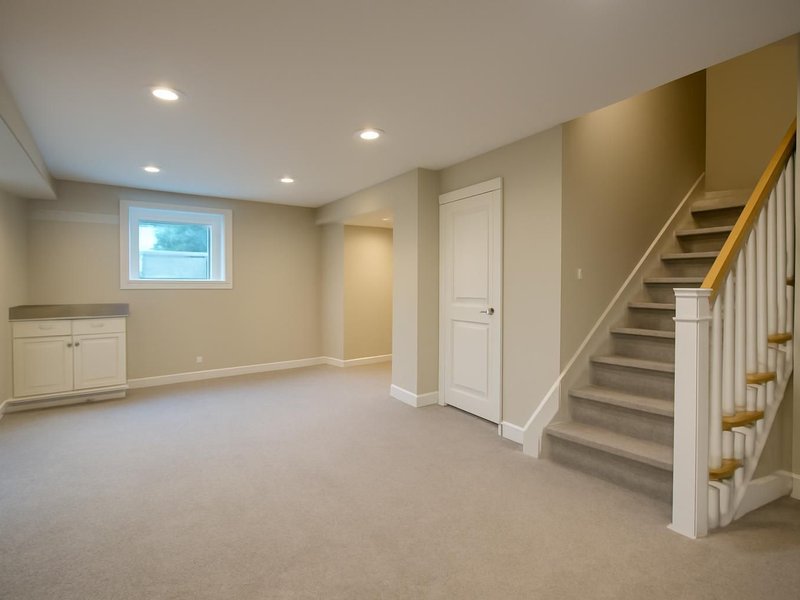
AI-generated examples of existing conditions and remodeling possibilities. Each image is a separate concept, not a documented transformation of the same home.
Documents we prepare for lenders
Most financing delays come from missing paperwork on the contractor's side. We keep a standard packet and tailor it to what your lender asks, so the bank is never waiting on us.

Every line priced by trade, with materials, labor, permits and contingency shown separately, the way loan officers review them.

Copies of our state license, general liability and workers compensation certificates, naming your lender where asked.
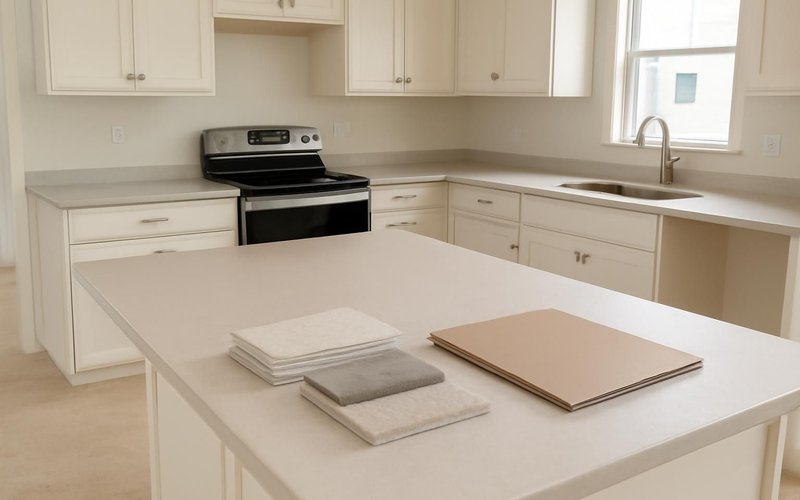
Drawings and a written scope detailed enough for an appraiser to estimate what the house will be worth once the work is finished.

A list of payment points, each tied to finished and inspectable work, matched to the way your lender releases the loan money.

Signed releases after each payment showing that we and our suppliers were paid, so no one can claim a lien on your home.
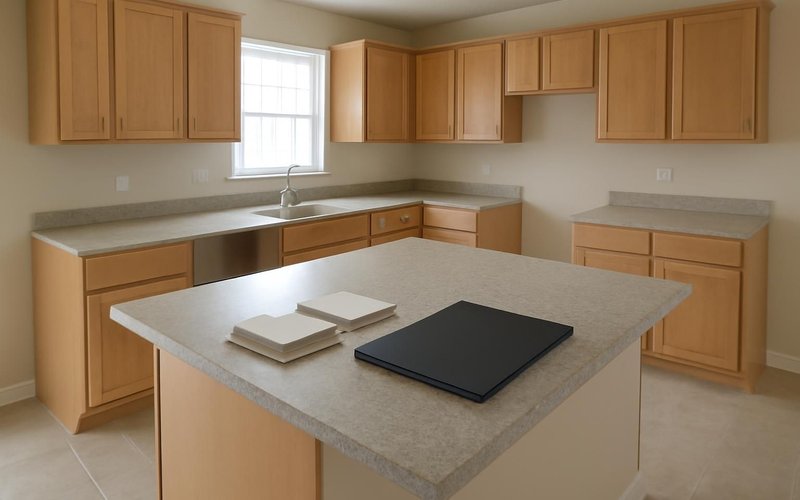
The tax form and the contractor questionnaire that FHA 203(k) and Fannie Mae HomeStyle lenders usually ask the builder to fill in.
Written into every contract
The approved price is the final price. Change orders only with your written approval.
A credit for every working day of delay we cause. Weather and inspections excepted, in writing.
Dust barriers, floor protection and a clean-up before we leave. Your home stays livable.
A text or email every working day with photos and tomorrow's plan, or the day is free.
Workmanship warranty in writing, transferable to the next owner, backed by a fixed address.
A small deposit, then you pay only for work that is already completed, inspected and photographed.
Who helps you
Neither of them sells loans. They prepare the numbers and papers your lender needs and explain how the options usually work, and you meet both by name before any paperwork starts.
AI-generated role illustrations. People shown are fictional, not photographs of your assigned crew.

Explains routes, gathers lender papers and tracks approval dates.

Writes the itemized estimate and reformats it for your lender.

Meets draw inspectors on site and signs off on finished milestones.
Illustrative project scopes
Planning examples with illustrative budgets and durations. These are not completed customer jobs, invoices or promises about your project.


Your situation is not average
Every homeowner gets the same free help, then it adjusts for how you plan to pay and what the house needs. Pick the case closest to yours.
Some renovation loans roll the purchase and the remodel into one. They need a contractor bid before closing. We visit during your inspection period and deliver the estimate and contractor packet on the lender's timeline.
Get a bid for my renovation loanSavings stretch further when the work is split well. We price each phase on its own, put the plumbing and wiring for later phases into the first one, and hold phase two prices in writing for an agreed number of months.
Plan my remodel in affordable phasesWhen the estimate comes in higher than the money available, we show three versions at three prices: what to cut, what to swap for a lower-cost material and what to leave for later, so you choose with every number visible.
Show me the project at my budgetAdult children often share the cost of a safer bathroom or entry for a parent. We send the estimate to everyone who is paying, split invoices if asked and keep one person as the main contact for decisions.
Plan a shared budget for a parent's homeWhen a claim pays for storm or water damage, some owners upgrade beyond what insurance covers. We separate the insured repair from the upgrade on the estimate, so the adjuster and your lender each see only their part.
Split my insurance and upgrade costsA failed roof or a burst pipe cannot wait for a slow loan. We fix what stops the damage first, then help you look at faster routes such as contractor financing partners for the rest, without pressure to decide on the spot.
Get help paying for an urgent repairBig projects often use a renovation loan or a construction loan with draws and inspections along the way. We prepare plans, a detailed scope and a draw schedule, and we meet the lender's inspector at every single draw.
Plan financing for my additionMany homeowners weigh a home equity line against a renovation loan and a contractor partner. We give you a plain-words sheet on how each usually works and the questions to ask each lender, then step aside while you choose.
Get my options sheet and questionsWhat this service is
Renovation financing assistance is free help from your contractor with the building side of paying for a remodel: a lender-ready itemized estimate, a plain explanation of how common routes such as home equity lines, renovation loans, contractor financing partners and phased plans usually work, and the contractor documents and payment schedule your lender needs. ProBuild Remodeling provides it at no cost and with no obligation.
The service covers estimates formatted for lenders, license and insurance papers, plans and scope for appraisers, draw schedules matched to loan draws, lien waivers and meetings with draw inspectors. It does not include lending money, running credit, recommending a specific loan or quoting interest rates. We are not a lender or a financial advisor; rates and terms come only from the lender you choose.
It is for homeowners paying for a remodel with a loan, a home equity line, a mix of savings and credit, or in phases, and for adult children helping a parent pay. It is not for anyone looking for financial advice on which loan to take, which belongs with a lender or a licensed advisor.
Questions we hear about paying for a remodel
A home equity line of credit borrows against the equity you already have and works like a credit line. A renovation loan, such as FHA 203(k) or Fannie Mae HomeStyle, can lend on the value the house will have after the work, which helps owners with little equity. Your lender explains which you qualify for.
Often, yes. Some renovation loans combine the purchase and the remodel into one mortgage, but they need a contractor bid before closing. Others finance the work after you move in. We can deliver a bid during your inspection period.
Usually an itemized estimate, a copy of the contractor's license and insurance certificates, a W-9, plans and a written scope, and a draw schedule. Renovation loans often add a contractor questionnaire. We keep all of these ready.
It is the plan for when the lender releases money during the project, usually four to six payments tied to finished stages, each checked by an inspector before the money is sent. We match our payment schedule to it.
Yes. Preparing estimates, documents and explanations for your lender is part of how we work, and it is free whether or not you end up building with us. We never run your credit or share your details without permission.
No. We are a contractor, not a lender or financial advisor. We explain in general terms how each route usually works and what questions to ask; the rates, terms and choice come from you and your lender.
It varies by lender. Home equity lines often take two to six weeks. Renovation loans that include an appraisal and contractor review can take longer. We schedule your start date once the lender confirms funding.
Yes, many homeowners do. A common pattern is savings for the first phase or the deposit and a home equity line for the rest. We can split the estimate so each source pays for clearly defined parts of the work.
Financing assistance near you
The estimate and contractor documents come from our licensed team in your state, and license numbers are listed state by state for your lender to verify.
Free financing help
A financing coordinator reads your answers, replies within 5 minutes during business hours and books the estimating visit. No credit check, no obligation.
Images marked as AI concepts illustrate remodeling ideas, materials and conditions. People shown are fictional role illustrations, not actual ProBuild employees. Images are not photographs of completed ProBuild projects or verified before-and-after pairs.