Small room
$1.5k–$4k
- Old floor removed to the subfloor
- Cement board or DITRA membrane
- Porcelain or ceramic tile
- Toilet pulled and reset on new seal
- Sanded or stain-resistant grout
- Schluter edge and transition trim
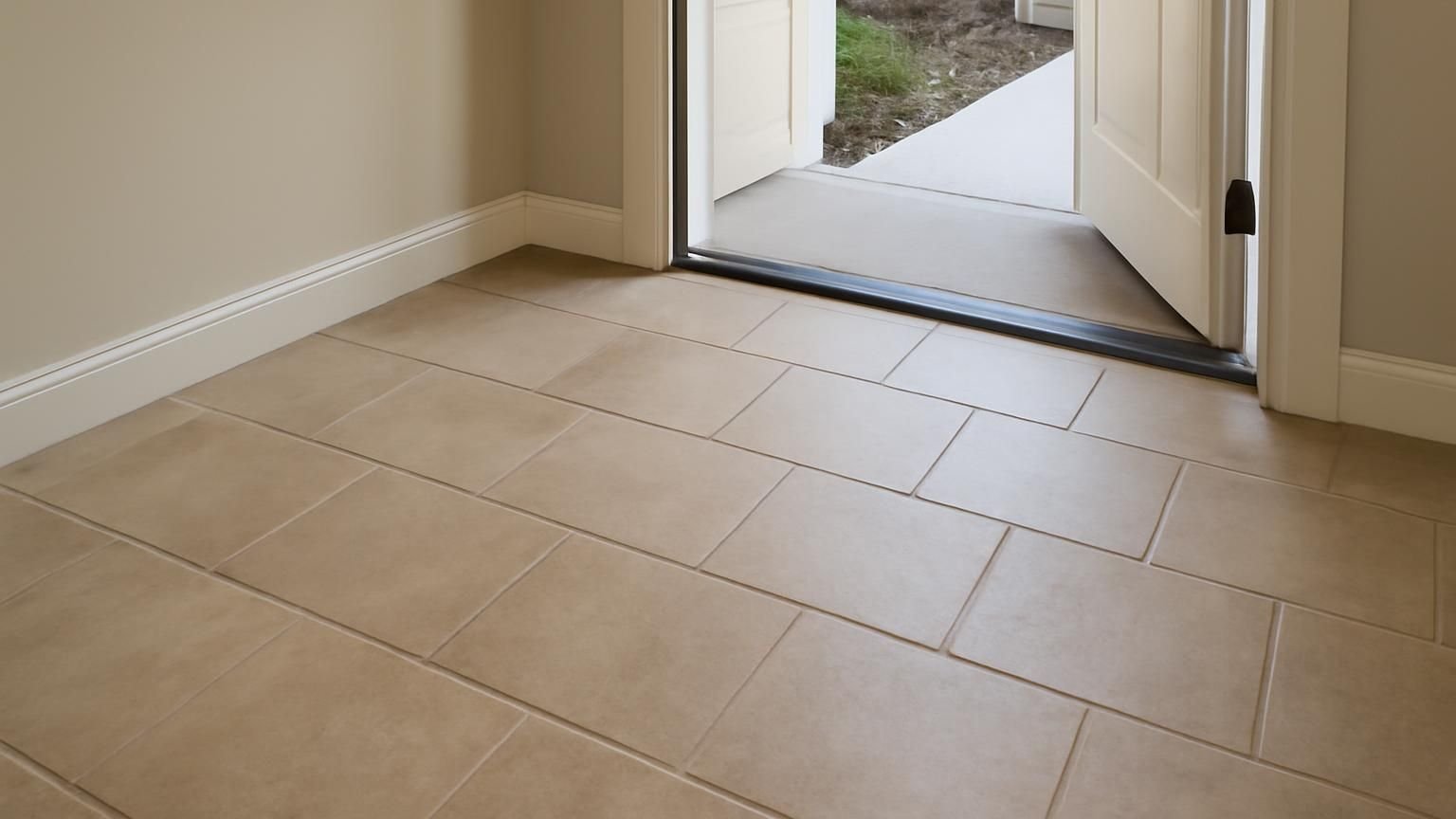
Tile flooring installation · Licensed & insured
Porcelain, ceramic or natural stone in a bathroom, kitchen, entry or basement, set over a stiff subfloor and an uncoupling membrane like Schluter DITRA, with an electric heated floor if you want warm feet. You get three written prices the day after a supervisor measures.
Text a photo of the floor and the tile you like. A licensed supervisor answers within 5 minutes during business hours and tells you what the subfloor will need.
What happens after you text us
A typical first exchange. You describe the room and the tile, the supervisor asks whether the floor flexes and what is underneath, and you end the thread with a measuring visit and an estimate date.
Hi, we want to replace the vinyl in our kitchen with big porcelain tiles, maybe 24 by 24. Is a heated floor worth it?
Hi Mark, this is Nick, I run tile jobs for ProBuild Remodeling. In a kitchen over a cold basement, most people who add heat say yes. When you walk across the kitchen now, does the floor bounce or creak anywhere?
A little bounce in the middle, near the island.
Big tiles crack if the floor flexes, so I will check the joists from the basement and we may add a layer of plywood. Can you send a photo of the basement ceiling under the kitchen?
Sent. It is unfinished down there.
Open ceiling helps, we can stiffen it from below. I can measure Friday at 4:30 and bring tile and heat samples, with three written prices by Monday. Does Friday work?
What a tile floor costs
Most tile floors run $14 to $28 a square foot installed with removal, subfloor prep, membrane and grout. Standard porcelain sits at the low end; large-format tile, natural stone and heat push it up. Most homeowners tile a kitchen or open area.
Small room
$1.5k–$4k
Kitchen or open area
$5k–$12k
Large or heated floor
$12k–$26k
Choose the tier, the size of the room and the kind of house. The range comes from the same per-project figures our tile supervisors quote, with prep, membrane and grout included.
A range, not a quote. Your written estimate comes after the visit and does not change once you approve it.
Typical range for your answers
Turn this range into a written tile floor estimateWhere the money goes
Typical split for a 250 square foot kitchen floor in porcelain. The underlayment line pays for the membrane and leveling that keep grout from cracking, and it is the first thing a low bid leaves out.
Get my itemized tile floor estimate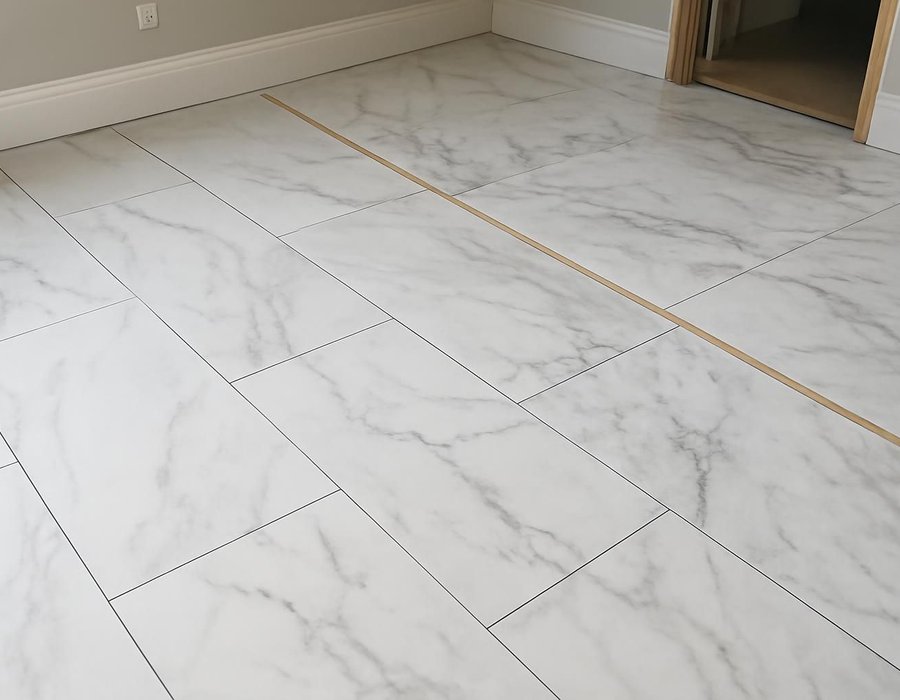
Porcelain or natural stone
Porcelain is dense, absorbs almost no water and never needs sealing. Marble, travertine and slate are each one of a kind but need sealing, gentler cleaners and a stiffer floor. We check six things with you at the measure and write the answer down.
| If this is true | We recommend |
|---|---|
| The floor is a kitchen, mudroom or entry with daily grit | Porcelain |
| You want a one-of-a-kind look and will reseal every year | Natural stone |
| There are kids, dogs or a lot of spilled drinks | Porcelain |
| The room is a primary bath with light, barefoot traffic | Natural stone |
| The floor framing has some bounce you can feel | Porcelain |
| You are matching original stone elsewhere in the house | Natural stone |
How long it takes
A bathroom floor takes two to three days. A large or heated floor takes one to two weeks. You can walk on tile carefully after about 24 hours and use the room normally after grout cures.
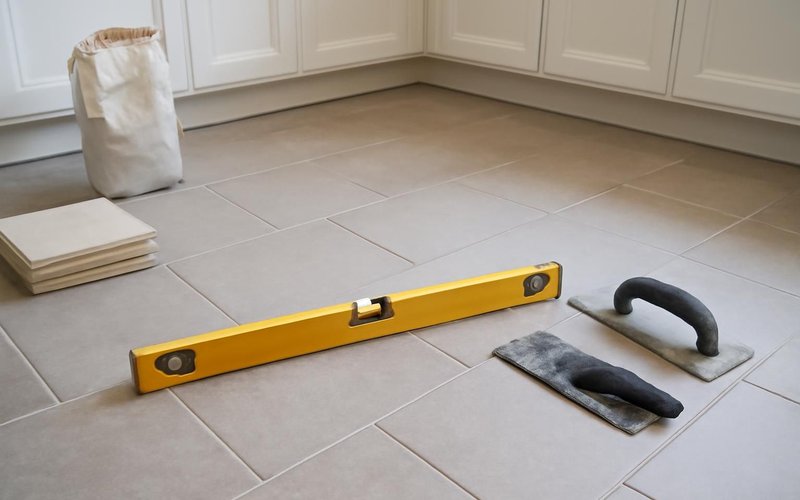
Before day one
We check the floor for flex and flat, you choose tile, grout color and heat, and the layout is drawn.
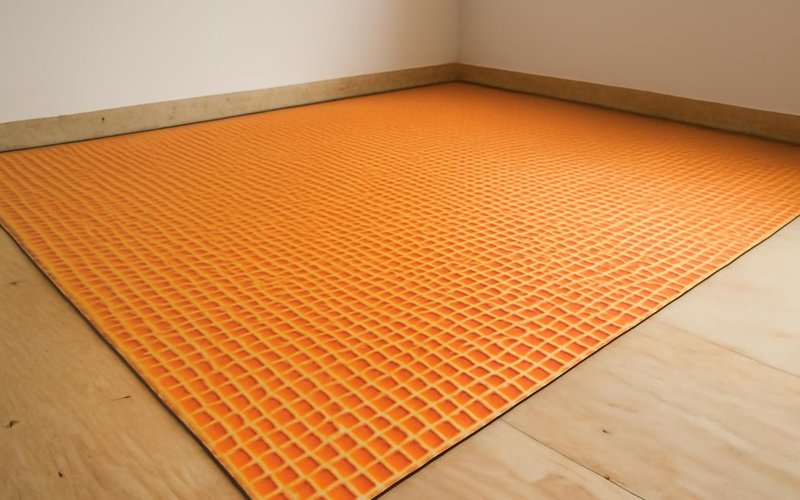
Day one
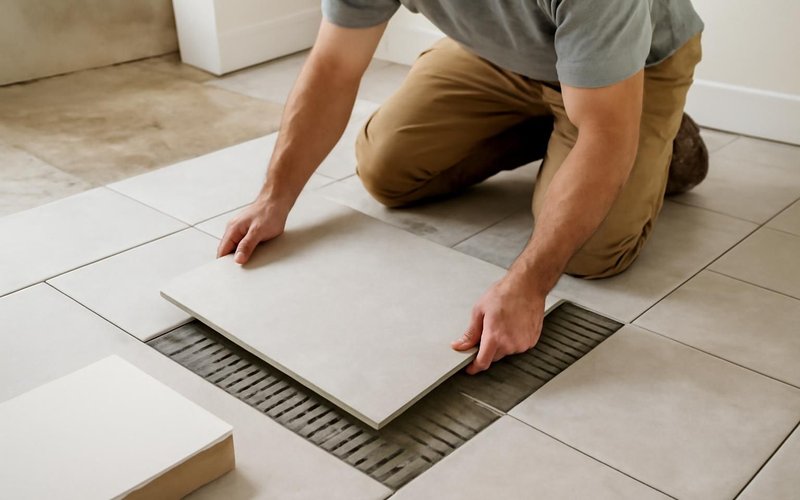
Old floor removed, subfloor repaired and stiffened, low spots leveled and the membrane set.
Days two to three
Heat mat tested and embedded if chosen, then tile set on full thinset coverage along the layout lines.
Final days
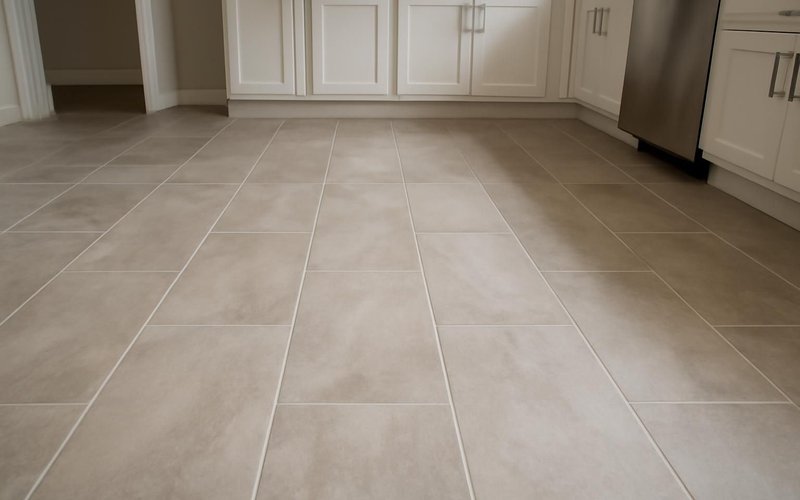
Grout packed and cleaned, stone sealed, trim and toilet reset, then the walkthrough and care guide.
Remodeling concepts
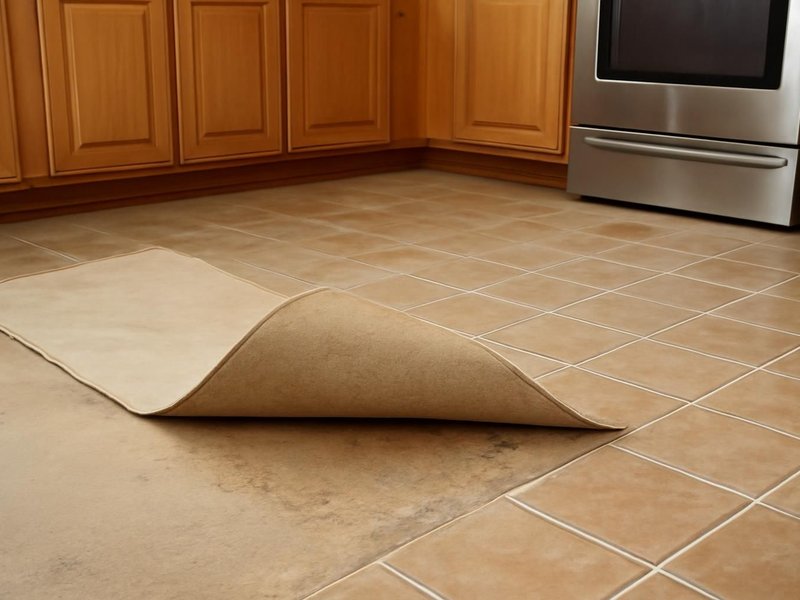
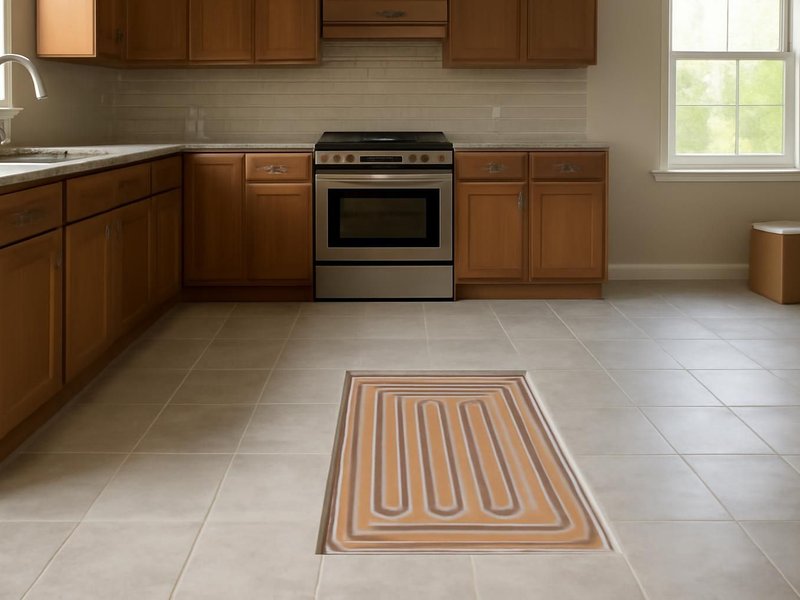
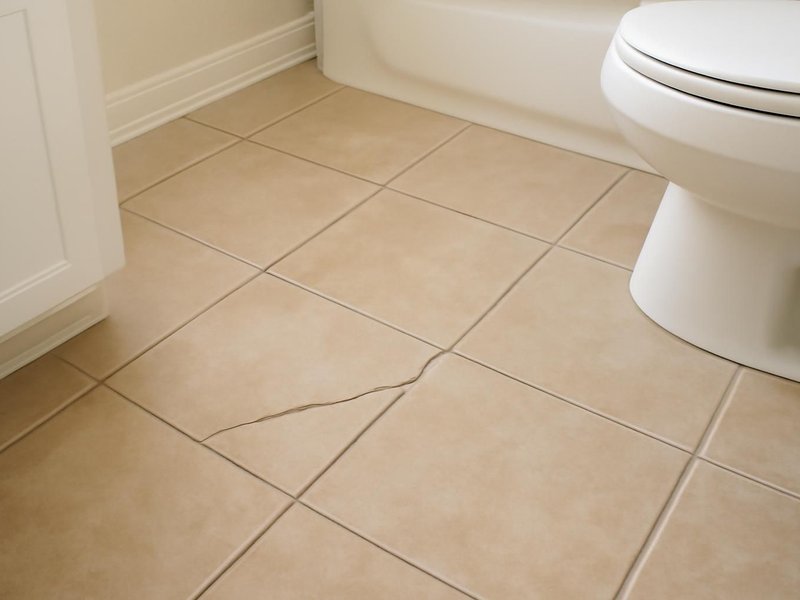
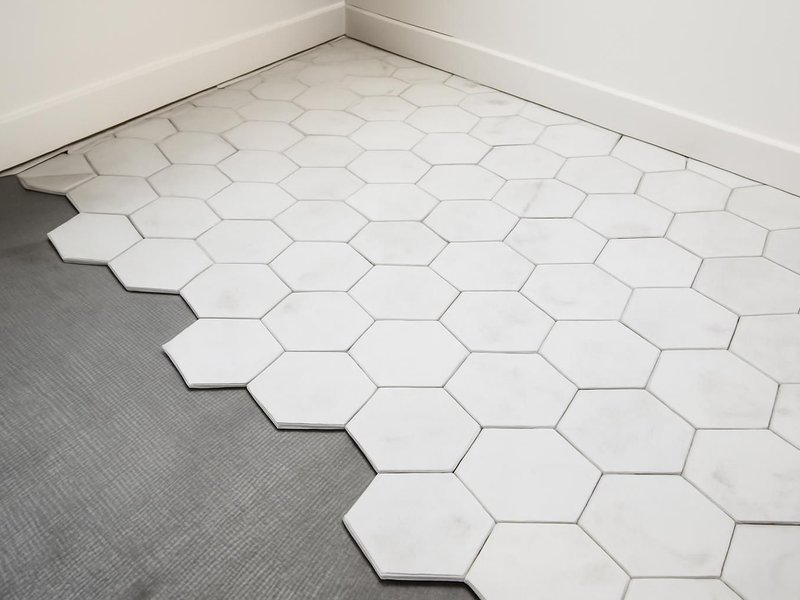
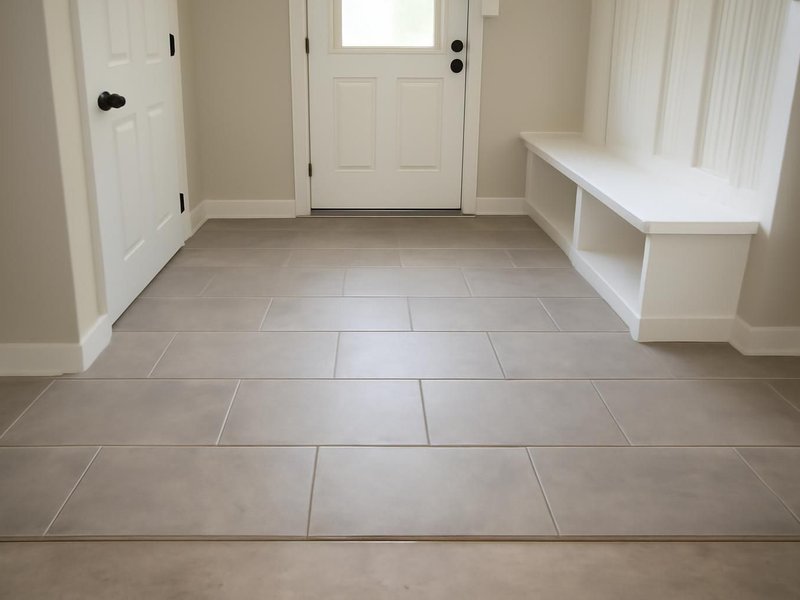
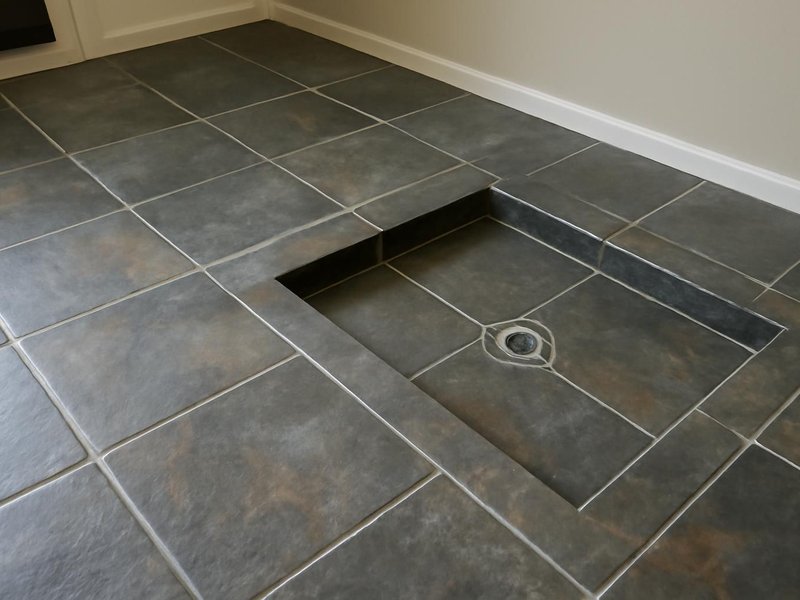
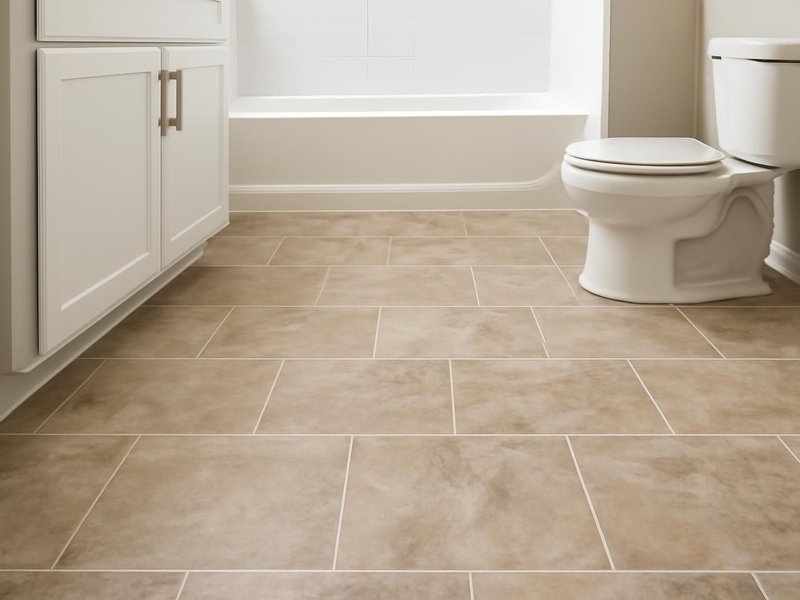
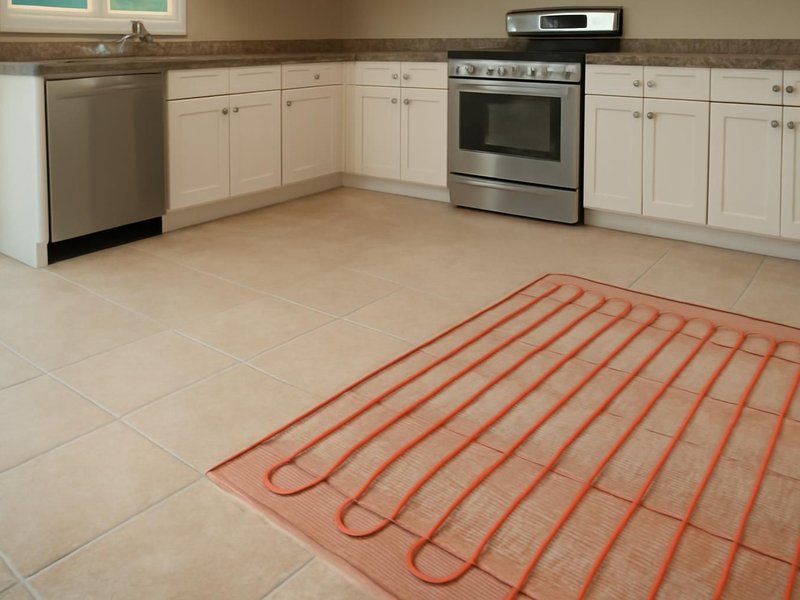
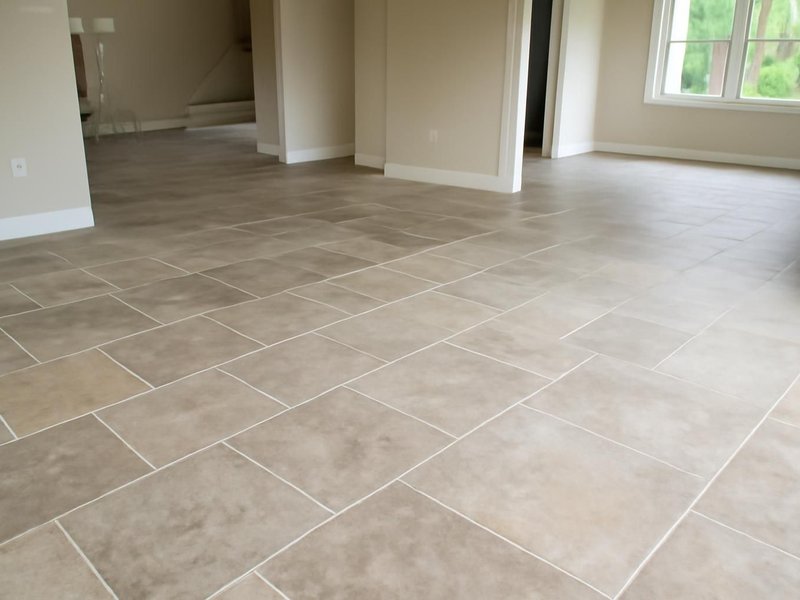
AI-generated examples of existing conditions and remodeling possibilities. Each image is a separate concept, not a documented transformation of the same home.
What your tile floor is made of
The tile is what you see. The membrane, thinset and grout are what keep it from cracking. Our estimate names each one by brand, so you can compare it with any other tile quote.
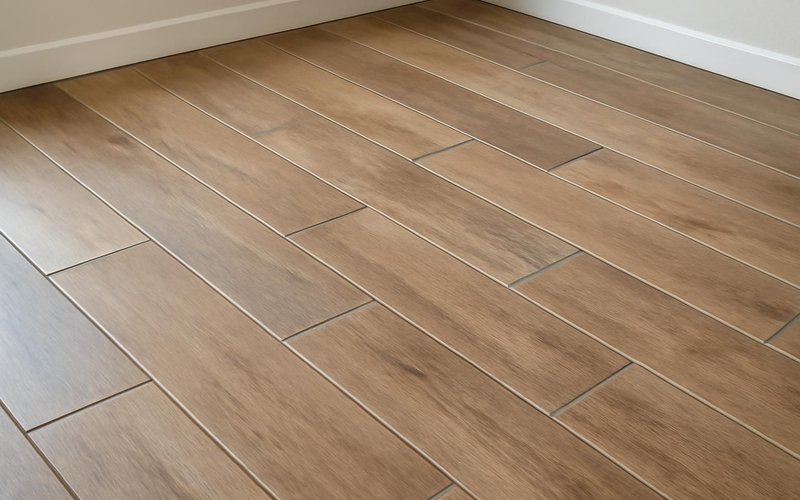
Dense tile from Daltile, Marazzi or Florida Tile that absorbs almost no water. Looks like wood, marble or concrete and needs no sealing.
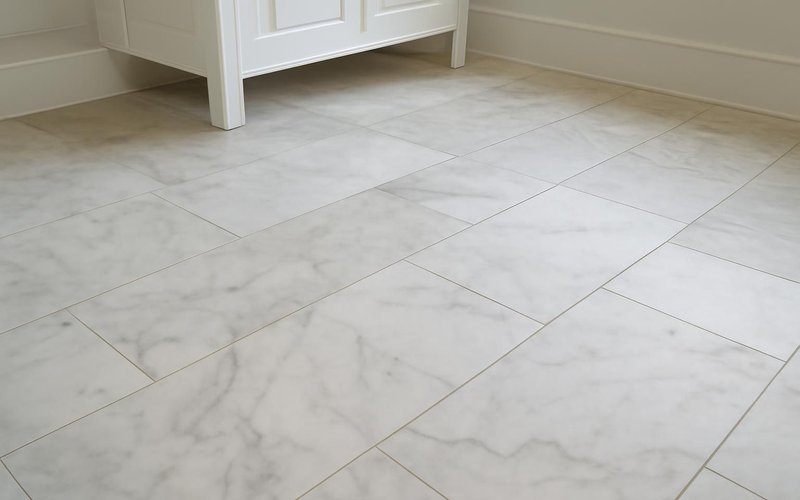
Marble, travertine and slate cut from quarried stone. Each tile is unique; it needs a penetrating sealer and pH-neutral cleaners.
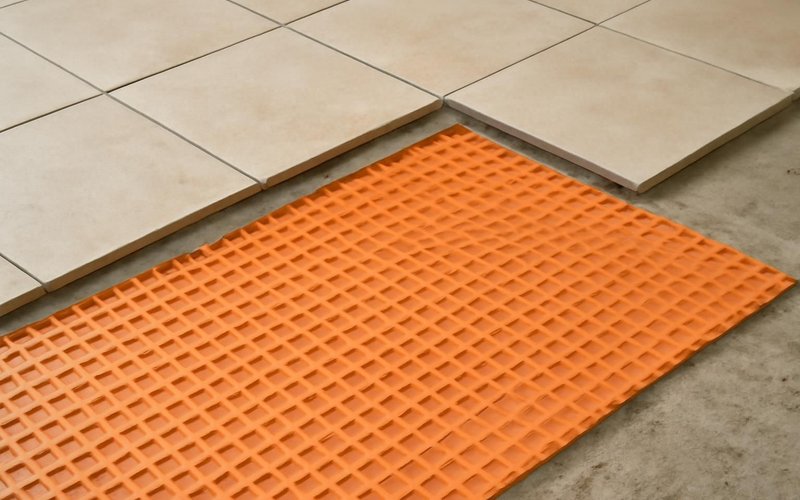
Schluter DITRA between the subfloor and the tile lets each move a little on its own, so grout does not crack as the house shifts.
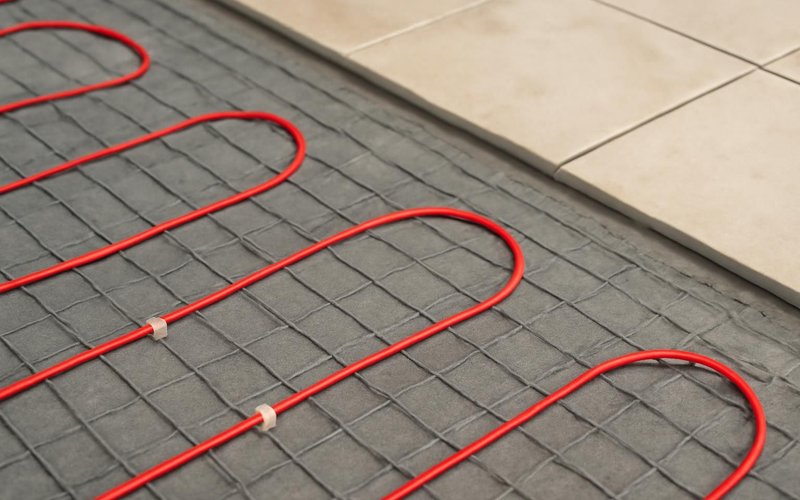
Schluter DITRA-HEAT or Nuheat electric mats under the tile, on a programmable thermostat. About 12 watts per square foot while running.
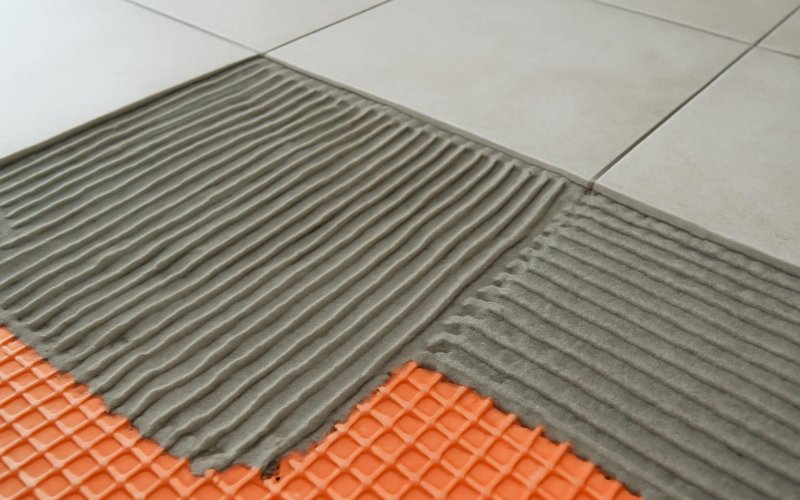
Polymer-modified thinset from Laticrete, MAPEI or Custom Building Products, mixed for the tile size and spread for full coverage.
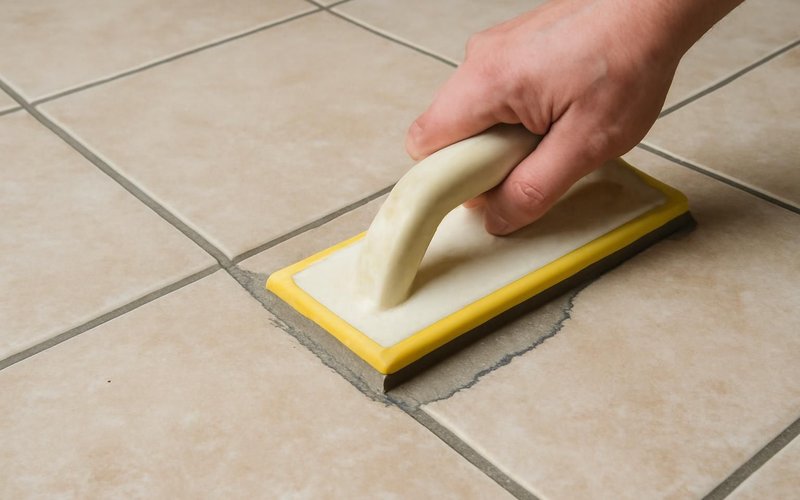
Cement grout for most floors, or urethane and epoxy grouts like Laticrete SpectraLock that resist stains and never need sealing.
Written into every contract
The approved price is the final price. Change orders only with your written approval.
A credit for every working day of delay we cause. Weather and inspections excepted, in writing.
Dust barriers, floor protection and a clean-up before we leave. Your home stays livable.
A text or email every working day with photos and tomorrow's plan, or the day is free.
Workmanship warranty in writing, transferable to the next owner, backed by a fixed address.
A small deposit, then you pay only for work that is already completed, inspected and photographed.
Who is in your house
Each person is background-checked and introduced before the first day. Tile dust is fine and gets everywhere, so they cut outside or under extraction and seal the room.

Checks flex and flatness, plans the layout and sends daily updates.

Sets every tile flat and in line and keeps grout joints even.

Levels the floor, sets the membrane and packs and cleans grout.
Illustrative project scopes
Planning examples with illustrative budgets and durations. These are not completed customer jobs, invoices or promises about your project.
Your floor is not average
The three tiers are the starting point. These are the cases that change the prep, the tile or the schedule most often.
Tile over a cold basement or slab feels icy in winter. An electric mat under the tile on a timer warms the floor before you wake up and adds about $12 to $20 a square foot, thermostat and a new circuit included.
Price a heated tile floorPorcelain shrugs off claws, water bowls and accidents. We pick a textured tile that is not slippery under paws and a stain-resistant urethane or epoxy grout that does not soak up what gets tracked in.
Price a pet-friendly tile floorFor a parent, we choose tile with a wet slip rating suited to bathrooms, keep the floor level with the next room so there is no lip to catch a foot, and can add heat so bare feet feel steady and warm.
Price a safer tile floor for a parentOlder floors can be out of level, sit over boards instead of plywood or hide tiles that need asbestos testing. Your estimate names what we expect to fix underneath and what it costs, before any tile is picked.
Price tile for my older houseTiles 24 inches and larger, and marble or travertine, need a flatter floor, more thinset and a clip leveling system. Each upgrade is listed on its own line, so you can compare against standard porcelain.
Price a large-format tile floorBasement slabs can push up moisture and crack over time. We test the moisture, bridge cracks with a membrane and use porcelain and cement grout, which handle damp conditions better than any wood or vinyl floor.
Price a basement tile floorHerringbone, hexagon, checkerboard and borders take more cutting and a precise layout from the center of the room. We draw the pattern to scale before ordering, and patterns usually add 10 to 25 percent to labor.
Price a patterned tile floorTile carries footsteps to the unit below. Many boards require a sound mat under hard floors, so we use a rated acoustic membrane, send the specs for approval and schedule the noisy tear-out during allowed hours.
Price tile for my condoWhat this service is
Tile flooring installation is the setting of porcelain, ceramic or natural stone tile on a floor over a prepared, stiff subfloor or slab, including removal of the old floor, leveling, an uncoupling or crack isolation membrane, thinset, grout, trim and optional electric floor heating. ProBuild Remodeling performs it as a licensed contractor following the tile industry's installation standards.
The service covers small rooms such as bathrooms and laundries, kitchens and open areas, and large or heated floors in porcelain, ceramic and stone. It does not include tiled shower walls, tub surrounds or backsplashes, which are priced with bathroom and kitchen work, or vinyl tile that only looks like tile, which is on the flooring installation page.
It is for homeowners who want a waterproof, long-lasting floor in kitchens, baths, entries and basements, and people who want warm tile underfoot. It is not for regrouting a few joints or replacing one cracked tile, which a repair visit handles, or for floors that flex badly unless you approve fixing the framing first.
Tile floor questions
Most tile floors run $14 to $28 a square foot installed, including removal, prep, membrane, thinset and grout. A bathroom floor costs $1,500 to $4,000, a kitchen or open area $5,000 to $12,000, and large, stone or heated floors $12,000 to $26,000.
Porcelain is denser and absorbs far less water, so it resists chips, stains and freeze damage and suits any floor. Ceramic is softer and less expensive and works well in low-traffic bathrooms. For kitchens, entries and basements we recommend porcelain.
DITRA is an orange plastic membrane set between the subfloor and the tile. It lets the wood and the tile move separately, which prevents cracked grout and tile, and it waterproofs the floor. It is not required on every job, but we use it on most wood subfloors.
Electric floor heat usually adds $12 to $20 a square foot for the mat or cable, thermostat and a dedicated circuit. A heated bathroom floor adds about $900 to $1,800. It costs little to run because it heats a thin layer under the tile.
Tile can go over flat, well-bonded tile or over concrete, but not over vinyl, laminate or carpet. Adding a layer raises the floor, so doors, toilets and appliances may need adjusting. In most homes, we remove the old floor to see the subfloor first.
Cement grout can take light foot traffic after about 24 hours and full use after about 72 hours. Sealing, if needed, waits two to three days. Epoxy and urethane grouts cure faster and never need sealing, which is why many families choose them for kitchens.
Usually because of what is underneath: a floor that bends too much, a slab crack that keeps moving, or thinset that did not cover the back of the tile. That is why we check deflection, use a membrane and back-butter large tiles before setting them.
It can be, especially in warm climates and homes with pets. It is durable and waterproof but hard and cool underfoot. Many clients tile the kitchen, entry and baths and use wood or vinyl plank in living rooms, joined with flush transitions.
Tile flooring installation near you
A local tile crew sets your floor under the contractor license for your state. You can see each state's license number below.
Free tile floor estimate
A tile supervisor reads your your answers, texts back within 5 minutes during business hours and brings tile, grout and heat samples when measuring.